Links below are affiliate links. We earn a commission on purchases at no extra cost to you.
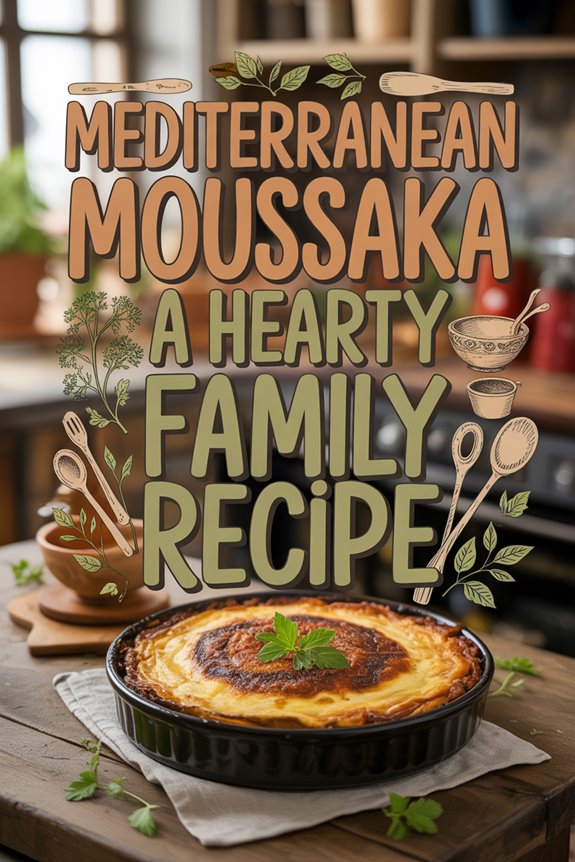
Mediterranean Moussaka: A Hearty Family Recipe
Layered with rich flavors and creamy béchamel, Mediterranean Moussaka transforms humble ingredients into a comforting feast you’ll crave again and again.
Why You’ll Love this Mediterranean Moussaka
While you might think moussaka is just another layered casserole, this Mediterranean version really changes the game.
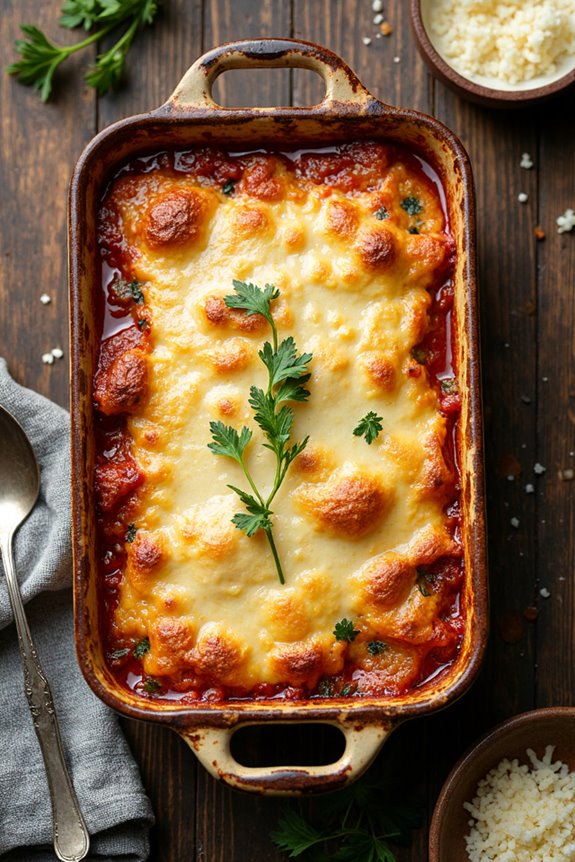
It’s like a flavor party where eggplant, rich tomato sauce, and creamy béchamel come together in perfect harmony. The layers aren’t just stacked—they’re crafted with care, each bite offering a comforting mix of textures and tastes that stick with you.
What’s not to love about a dish that’s hearty yet elegant? Plus, it’s a showstopper when guests arrive, looking fancy without the fuss.
And yes, the slow simmering of the sauce? Totally worth it. You’ll find yourself savoring every spoonful, wondering how something so simple can taste so incredibly satisfying.
It’s the kind of dish that feels like a warm hug on a plate.
You may be interested

Recommended Products

Square baking dish, ideal for preparing good gratins, fish, stuffed vegetables - Capacity: 4 people, dimensions: 28 x 23 x 7.5 cm.

MADE IN FRANCE SINCE 1850. Made of all natural materials. High-fired Burgundy clay using Emile Henry HR ceramic (high resistance)

Perfect for vegetable gratins, baked pasta dishes, fruit crisps and more, this handsome baker pairs a modern sensibility with time-honored French construction techniques
What Ingredients are in Mediterranean Moussaka?
Let’s talk ingredients — the heart and soul of this Mediterranean moussaka. This dish is a bit like a kitchen orchestra, where every player, from the eggplants to the spices, has a role that brings the whole symphony to life. We’ve got fresh vegetables, rich cheeses, and a few pantry staples that might already be hanging out in your cupboard.
It’s a recipe that’s as much about layering flavors as it’s about layering ingredients. Ready to see what goes into this tasty, comforting casserole?
- 2 large onions
- 2 tablespoons olive oil
- 2 tablespoons butter (yes, both oil and butter for that rich sauté)
- 2 cups mushrooms, minced
- 3 tomatoes, peeled and pureed
- 3 tablespoons tomato paste
- 3/4 cup dry red wine (don’t worry, it cooks off, but it adds magic)
- 1/2 cup chopped parsley
- 1 teaspoon cinnamon
- 1 tablespoon finely chopped garlic
- 1 tablespoon oregano
- 1 teaspoon sugar
- 4 cups milk
- 1/2 cup butter (for the béchamel)
- 6 tablespoons flour
- 1/8 teaspoon nutmeg
- 1/4 teaspoon white pepper
- Olive oil (for frying)
- 3 lbs eggplants (the star of the show)
- 4 eggs, beaten
- 2 cups ricotta cheese
- 1 cup dry breadcrumbs
- 2 cups grated kefalotyri or parmesan cheese
Now, a few thoughts on these ingredients: The eggplants? They’re the foundation, so peeling and salting them to draw out bitterness is key — trust the process.
The mushrooms add an earthy depth to the tomato sauce, but if you’re craving meatiness, swapping in a pound of ground beef or lamb works too.
And that béchamel sauce? It’s luxurious, with ricotta folded in and eggs stirred through, creating a creamy crown on top.
The wine might feel fancy, but it’s really the secret that lifts the sauce to another level. If you don’t have kefalotyri cheese, parmesan is a reliable backup — just grate it fresh for the best melt and flavor.
Don’t skip the cinnamon and nutmeg; they bring a subtle warmth that ties everything together in a way you didn’t see coming.
This isn’t just a list — it’s the blueprint for comfort on a plate.
Recommended Products

MADE IN FRANCE SINCE 1850. Made of all Natural Materials. High-fired Burgundy clay using Emile Henry's HR ceramic (high resistance

MADE IN FRANCE SINCE 1850. Made of all natural materials. High-fired Burgundy clay using Emile Henry HR ceramic (high resistance)

IT’S TIME TO HIT PAUSE AND EAT: This is more than a baking dish. Mora is Latin for "Pause", acting as a reminder to slow down in your amazing life. You are always being told to do more, to go faster, to be better, but it's time for you to slow down every once in a while and hit pause. Your Mora dishes can help you do that. No matter what you're baking, every time you use a Mora pan it is a reminder to hit pause, give yourself some me time, and practice mindfulness.
How to Make this Mediterranean Moussaka
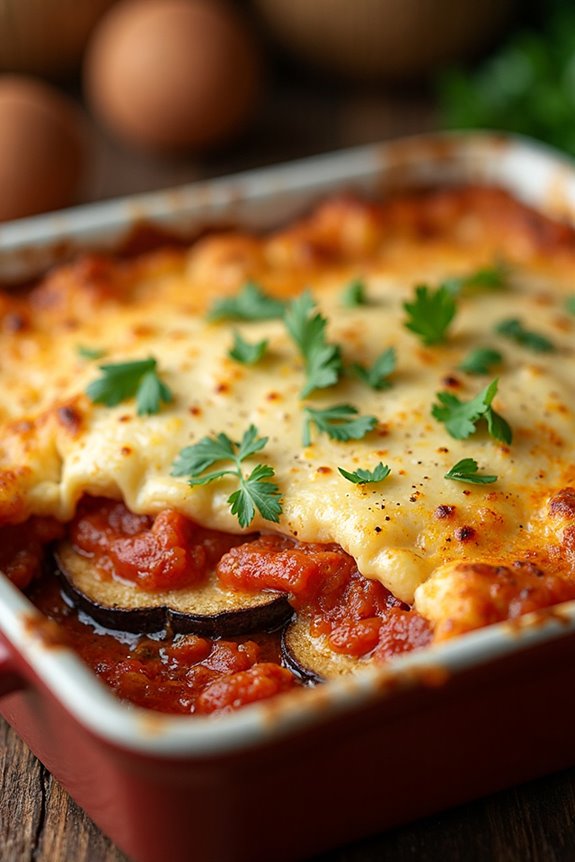
Alright, let’s plunge into making this Mediterranean Moussaka, a dish that’s basically a warm, comforting hug on a plate. Start by tackling the tomato sauce because it needs time to simmer and develop those deep, rich flavors.
Peel and mince 2 large onions, then sauté them in 2 tablespoons of olive oil and 2 tablespoons of butter over medium heat until they’re soft and just lightly colored—think about 8 minutes of gentle cooking. Next, toss in 2 cups of minced mushrooms and keep sautéing.
Then add 3 peeled and pureed tomatoes, 3 tablespoons of tomato paste, ¾ cup of dry red wine (yes, wine in your sauce is a must), half a cup of chopped parsley, and your seasonings: 1 teaspoon cinnamon, 1 tablespoon finely chopped garlic, 1 tablespoon oregano, and a teaspoon of sugar to balance it all out. Let this simmer uncovered on low for 30 to 45 minutes until it thickens up like a good stew. Don’t rush this part; it’s where your sauce gets all that layered flavor.
Now, onto the eggplants—3 pounds of them, to be exact. After peeling, slice them vertically into 1/8 to 1/4-inch thick slices. They get a little salty bath: sprinkle them lightly with salt and let them sit for 30 minutes. This step helps draw out bitterness and any excess moisture, so your moussaka isn’t soggy later on.
Rinse those slices well with cold water, then squeeze gently and pat dry. Next, dredge each slice in about 1½ cups of flour and pan-fry them in olive oil until they’re golden brown on both sides. This part can get messy and a bit oily, but hey, that’s part of the fun and flavor.
While your eggplants are resting, it’s time to whip up the béchamel sauce—the creamy crown of your moussaka. Heat 4 cups of milk until you see tiny bubbles around the edges—don’t let it boil.
Meanwhile, melt half a cup of butter in a saucepan on very low heat until foamy but not browned. Stir in 6 tablespoons of flour slowly, whisking constantly for 3 to 4 minutes until smooth. Gradually add the warm milk, whisking like you mean it until the sauce thickens and smooths out.
Off the heat now, add a pinch of nutmeg (1/8 teaspoon) and ¼ teaspoon white pepper for that subtle spice. Then, gently fold in 2 cups of ricotta cheese until it’s creamy and smooth. Finally, beat 4 eggs and stir them in thoroughly—this makes the sauce rich and helps it set beautifully in the oven.
Layering time follows: a greased 16×10 baking pan gets a sprinkle of breadcrumbs on the bottom, then a layer of your fried eggplant slices, followed by a generous layer of that thick tomato sauce. Sprinkle some breadcrumbs and 2 cups of grated kefalotyri or parmesan cheese on top.
Keep repeating these layers until you run out of eggplant, then pour the béchamel-ricotta sauce over everything. Pop the whole thing into a 300-degree Fahrenheit oven and bake for about an hour until the top is a gorgeous golden-brown crust.
Using a premium Dutch oven set can significantly enhance your cooking experience, especially when preparing rich, slow-simmered sauces like this one.
Resist the urge to cut into it immediately—let it stand undisturbed for 20 to 30 minutes after baking. This waiting game lets the layers set and fuse together, making each slice a neat, delicious piece of heaven.
And there you have it—a Mediterranean moussaka that’s a little work, but so worth every bite.
Recommended Products
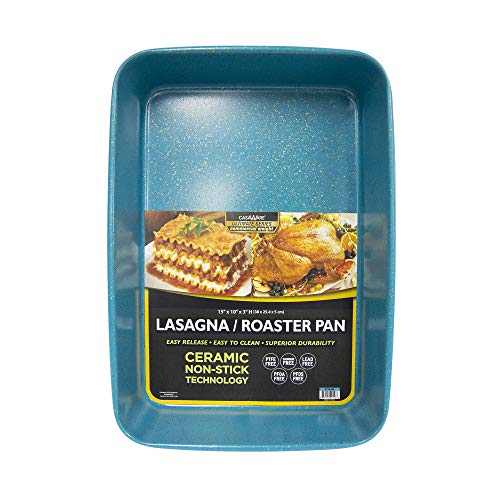
This heavy weight pan, 0.8mm is great for lasagnas, large pasta dishes and for roasting up to a 20 pound turkey.

Sterilgarda Italian Ready to Use Béchamel Sauce 16.9 Fl Oz (500ml) | Pack of 3

Mediterranean Moussaka Substitutions and Variations
Since not everyone loves eggplant or has access to kefalotyri cheese, swapping ingredients in Mediterranean Moussaka is more common than you might think.
Ever considered zucchini or mushrooms instead of eggplant? They soak up flavors beautifully and keep things lighter. If kefalotyri feels too fancy or unavailable, parmesan is a trusty stand-in—sharp, salty, and just right.
For those avoiding meat, mushrooms or lentils make a hearty substitute in the tomato sauce, and don’t worry about losing richness; a splash of red wine or a pinch of cinnamon can amp up the depth.
And hey, if dairy’s off the table, coconut milk in the béchamel offers a creamy twist. The key? Keep the layers balanced, flavorful, and don’t stress—moussaka is forgiving, like a good friend.
Recommended Products
Sterilgarda Italian Ready to Use Béchamel Sauce 16.9 Fl Oz (500ml) | Pack of 3 Béchamel is a delicately flavored silky cream sauce made of whole milk, cream and flour,...
What to Serve with Mediterranean Moussaka
When you’ve layered up that rich, saucy moussaka, what you serve alongside it can really make the meal shine or fall flat.
Think crisp, invigorating salads—like a simple Greek salad with crunchy cucumbers, ripe tomatoes, and tangy feta—to cut through the creamy heaviness.
Maybe a side of warm, crusty bread to scoop up every last bit of that luscious sauce?
Roasted vegetables, lightly seasoned, add a nice earthy balance without stealing the spotlight.
And don’t forget a dollop of tzatziki or a lemony yogurt dip; it brightens flavors and adds a cool contrast.
Honestly, keep it light and fresh. Too heavy on sides, and the moussaka gets overwhelmed, which would be a tragic waste of all that layered goodness.
Recommended Products
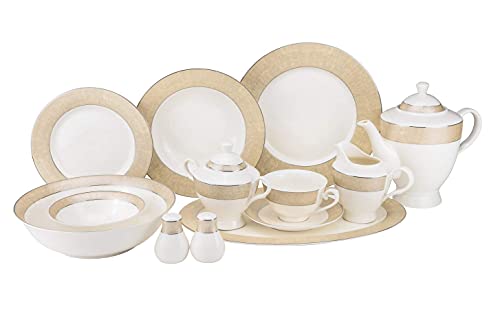
Elegant high-end and affordable 57-Piece Dinnerware Set for 8, Crafted from fine Bone China with 24 kt gold embellishments

✔️CERTIFIED ORGANIC: Certified Organic by USDA organic. Non-GMO, Vegan, Kosher, Raw and Vegan California Walnuts Halves and Pieces

MODERN LUXURY DESIGN: This gold bowl set showcases an elegant metallic finish that adds sophistication to any home design. Its irregular shape and sculptural form create an artistic touch, making it a standout centerpiece decor for your dining or living room
Final Thoughts
Although moussaka might seem like a fancy dish that demands a whole day in the kitchen, it’s really all about layering flavors and taking your time.
Think of it as a savory puzzle—each step adds depth, from the sautéed onions and mushrooms to that rich tomato sauce, and finally, the creamy béchamel-ricotta topping.
Yes, it’s a bit of a project, but isn’t that part of the fun? Watching the layers come together, knowing patience will reward you with a golden, bubbling masterpiece.
Don’t rush the resting time after baking—that’s when the magic happens, and the layers fuse into a sliceable delight.
It’s comfort food with a Mediterranean twist, perfect for sharing and savoring, even if your kitchen looks like a storm passed through.
Totally worth it.