Links below are affiliate links. We earn a commission on purchases at no extra cost to you.
Thai Pad See Yew Noodle Recipe
Savor the perfect harmony of sweet, salty, and umami in this quick Thai Pad See Yew noodle recipe that transforms simple ingredients into magic.

Why You’ll Love this Thai Pad See Yew
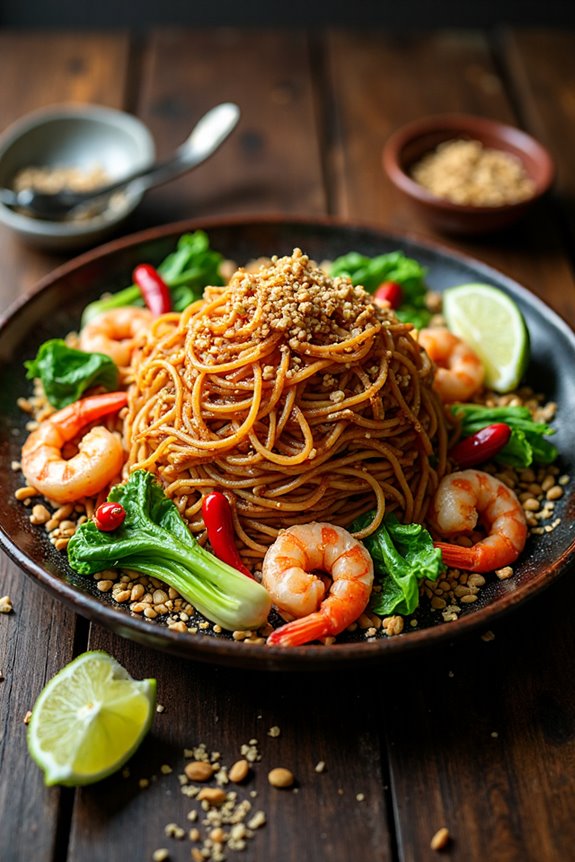
If you’re craving something that nails that perfect balance of sweet, salty, and umami, this Thai Pad See Yew has got you covered.
It’s that kind of dish where every bite hits you with rich, deep flavors but never feels too heavy. The noodles soak up the sauce so well—think of them as little flavor sponges.
Plus, the crunch of crisp-tender bok choy adds a fresh contrast that keeps things interesting. It’s surprisingly simple to make, yet feels fancy enough to impress without breaking a sweat.
And hey, who doesn’t love a meal that looks restaurant-worthy but comes together in under 30 minutes?
If you want something comforting, quick, and packed with taste, this dish really hits the spot. It’s a total win-win.
What Ingredients are in Thai Pad See Yew?
Alright, let’s talk about the star players that make Thai Pad See Yew so darn tasty. This dish is all about layering flavors that hit sweet, salty, and savory notes in just the right amounts. You’ll find a few key sauces that bring depth—fish sauce, oyster sauce, and a touch of miso or fermented yellow beans for that umami kick.
You may be interested

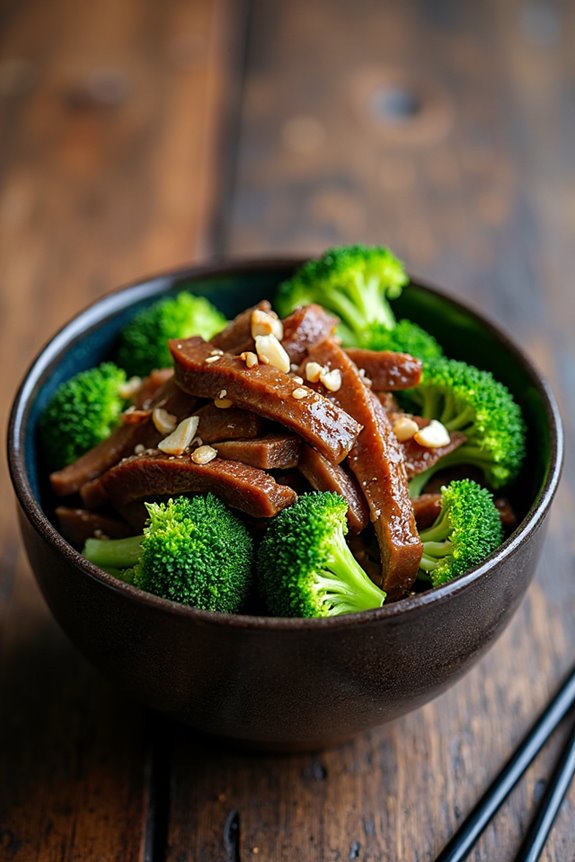
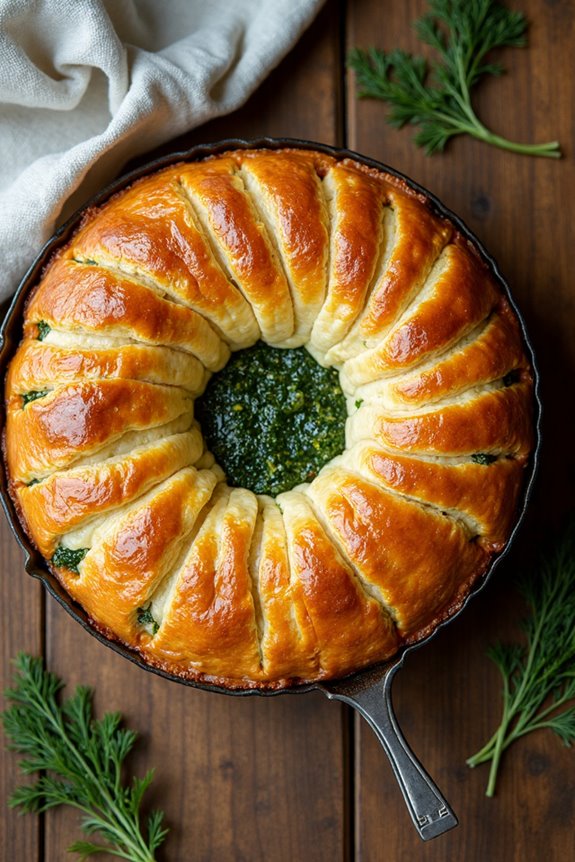
Then there’s the fresh stuff like bok choy and garlic, plus noodles that soak up all that goodness. Oh, and shrimp adds a nice protein punch without stealing the spotlight. Ready to see what goes into this flavor bomb?
Here’s what you’ll need:
- 3 tablespoons Asian fish sauce
- 1 tablespoon miso or 1 tablespoon fermented yellow beans
- 1 tablespoon oyster sauce
- 4 teaspoons sugar
- 1/4 cup low sodium soy sauce
- 1 lb bok choy, cut into 2-inch pieces
- 2/3 lb dried rice noodles
- 1/4 cup vegetable oil, plus 3 tablespoons vegetable oil
- 3/4 lb shelled and deveined medium shrimp
- Salt, to taste
- 4 large garlic cloves, minced
- 3 large eggs, beaten
- 3 Thai bird chiles or 3 serrano chilies, thinly sliced
- 2 tablespoons chopped roasted salted peanuts
- Lime wedges, for serving
Now, a little heads-up: the sauces are the secret sauce (pun intended) here. The fish sauce and oyster sauce bring that salty, savory backbone, while the miso or fermented beans add a subtle, earthy complexity that’s easy to overlook but makes a huge difference.
Don’t skip the sugar—it balances everything out and keeps the flavors dancing on your tongue. Also, if you’re not a fan of super spicy food, you can dial down the chiles or swap them for something milder.
And if shrimp isn’t your thing, chicken or tofu could easily step in without causing a scene. Just remember, the freshness of the bok choy and the chewiness of the noodles are what really tie this dish together, so keep those in mind when shopping.
Recommended Products

Culinary Versatility - Make your favorite Vietnamese, Chinese, and Thai dishes at home with flat rice noodles! Use it as a base for flavorful soups, stir-fries, and a wide range of culinary creations.

STEAMED NOT FRIED: Every batch of rice noodles is steam cooked and slowly dried

Thai Kitchen Thin Rice Noodles are made from rice using a traditional steam-cooked method
How to Make this Thai Pad See Yew

Alright, ready to plunge into making some seriously tasty Thai Pad See Yew? First off, grab a bowl and mix together 3 tablespoons of Asian fish sauce, 1 tablespoon of miso (or fermented yellow beans if you’re feeling adventurous), 1 tablespoon of oyster sauce, 4 teaspoons of sugar, and 1/4 cup of low sodium soy sauce. This magical combo is going to bring that perfect balance of salty, sweet, and umami to your noodles, so don’t skimp on it!
Next, get a large pot of boiling, lightly salted water going — you’ll want to cook 1 pound of bok choy until it’s just crisp-tender, which takes about 2 minutes. Don’t overcook, or you’ll lose that nice crunch. Drain it and set it aside on a plate.
Now, toss in 2/3 pound of dried rice noodles and cook them until they’re firm but still bendy, roughly 5 minutes. After draining and rinsing under cold water (to stop the cooking), give those noodles a quick toss with 1 tablespoon of vegetable oil so they don’t stick together. This step is key because nobody likes a clumpy noodle mess.
Moving on to the skillet, heat 1 tablespoon of vegetable oil and throw in 3/4 pound of shelled and deveined medium shrimp. Season with a pinch of salt and cook them on high heat until they turn pink, about 2 minutes—blink and you might miss it. Remove the shrimp and add them to your bok choy plate.
Now, crank up the heat again, add the remaining 1/4 cup plus 1 tablespoon of vegetable oil, and toss in 4 large minced garlic cloves. Stir that around for 30 seconds until fragrant; your kitchen is going to smell incredible.
Pour in 3 beaten large eggs and scramble them lightly for about 30 seconds. Then, add in your noodles, toss lightly, and pour that sauce mixture over the top. Here’s the trick: don’t stir too much. Let the noodles soak up the sauce and cook until most of the liquid evaporates, about 5 minutes. Stir once, then let the noodles brown on the bottom for a couple more minutes because that crispy bit is pure gold.
Finally, bring the shrimp and bok choy back into the skillet, heat everything through, and transfer your masterpiece to a platter. Sprinkle on 3 thinly sliced Thai bird chiles or serrano chilies if you like a kick, 2 tablespoons of chopped roasted salted peanuts for crunch, and don’t forget the lime wedges on the side for squeezing.
A quick squeeze of lime juice right before eating really wakes up all those flavors. It’s a dish that’s simple to make but feels like a celebration on your plate. Now, who’s hungry? For the best cooking experience, consider using a high-end Dutch oven to elevate your dish with even heat distribution and excellent heat retention.
Recommended Products

TRUE TO THAILAND - Our Pad Thai Rice Noodles are made using traditional methods from heirloom brown rice to create nutritious noodles rich in flavor

Steamed rice noodles, not fried

Easy-to-make noodle dish for quick homemade meals
Thai Pad See Yew Substitutions and Variations
Now that the basics of making Thai Pad See Yew are all laid out, let’s talk about switching things up a bit.
Don’t have bok choy? Napa cabbage or even broccoli work great—they add crunch and soak up the sauce wonderfully.
Shrimp can be swapped for chicken, tofu, or beef, depending on your mood or fridge contents.
Not a fan of fish sauce? Try soy sauce alone or a splash of hoisin for a sweeter twist.
Want it spicier? Toss in extra Thai chiles or a spoonful of chili garlic sauce.
For noodles, if rice noodles aren’t around, flat wheat noodles can stand in, though the texture shifts a bit.
These swaps keep things fun and flexible, so no need to stress if you can’t find every ingredient.
Recommended Products


Enjoy cooking restaurant-quality Thai food at home with this kit from Lobo

Pad Thai Style Noodle
What to Serve with Thai Pad See Yew
When you’re serving Thai Pad See Yew, it’s all about balance—because this dish is rich, savory, and packed with flavor, you’ll want sides that complement without overwhelming.
Think light and fresh: a crisp cucumber salad with a zingy lime dressing cuts through the richness beautifully. Or maybe some steamed jasmine rice to soak up any sauce left on your plate—because who likes wasting flavor?
A simple bowl of clear broth soup with a hint of ginger can also keep things cozy without competing. And don’t skip on lime wedges and extra chilies; they add a bright kick that wakes up your taste buds.
Serving it with something too heavy? Nope, that’s just a recipe for a food coma. Keep it fresh, keep it fun.
Final Thoughts
Serving Thai Pad See Yew with light sides like cucumber salad or a simple broth really sets the stage for a satisfying meal, but let’s talk about wrapping it all up.
This dish is all about balance—sweet, salty, a little tangy, and that perfect char on the noodles. It’s surprisingly easy to nail if you keep an eye on the heat and don’t rush the browning step.
The garlic and scrambled eggs sneak in extra layers of flavor, so don’t skip them. And hey, don’t hesitate to adjust the chilies to your spice comfort zone.
Trust me, this recipe can turn anyone into a noodle ninja. So, grab that lime wedge, squeeze generously, and immerse yourself. Ready to impress yourself?