Links below are affiliate links. We earn a commission on purchases at no extra cost to you.
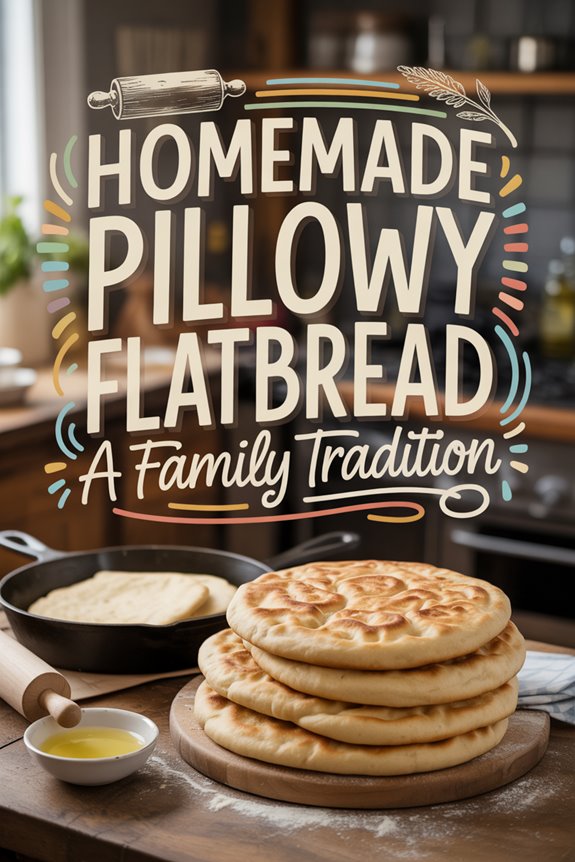
Homemade Pillowy Flatbread Recipe: A Family Tradition
Just imagine biting into warm, soft pillowy flatbread that’s quick to make and perfect for any meal—discover this beloved family recipe today!
Why You’ll Love these Pillowy Flatbreads
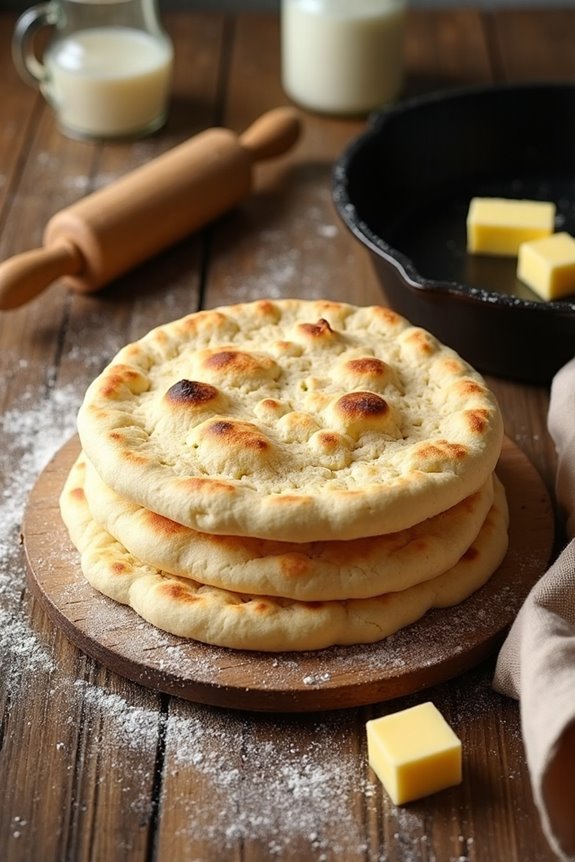
There are few things quite as satisfying as biting into a warm, pillowy flatbread that’s fresh off the pan. You know that moment when the bread’s just right—soft, with a hint of crisp on the outside, and a little bounce when you press it? That’s the magic.
It’s not just about taste; it’s the texture, the way it puffs up like a tiny, edible cloud. It’s perfect for scooping up dips or wrapping around your favorite fillings without falling apart. Plus, it’s so quick to whip up—no fancy tools needed, just a bit of kneading and patience while it rises.
Honestly, who doesn’t want a simple, tasty bread that feels homemade but doesn’t demand a weekend? It’s comfort food, made easy.
What Ingredients are in Pillowy Flatbreads?
Alright, so you’re gearing up to make those dreamy, pillowy flatbreads, and the question is: what magic goes into them? The ingredients list might look simple, but each one plays a starring role in getting that soft, fluffy texture and just the right flavor. It’s like assembling a little team where every member counts—no slackers allowed here.
Here’s what you’ll need:
- 200 ml milk
- 200 ml lukewarm water
- 1 packet (7 g) dried yeast
- 500 g strong bread flour
- 25 g salt
- 25 g butter, softened and cut into cubes
- Oil, for greasing
You may be interested
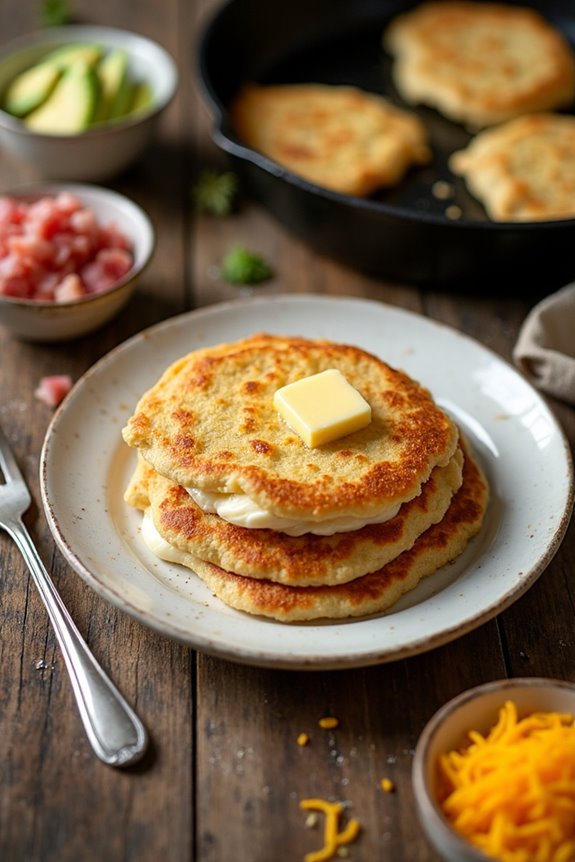


Notice how there’s a combo of milk and water? That’s not a random choice. The milk adds a subtle richness and helps with the softness, while the water keeps things light and airy. The strong bread flour is key for structure; it’s got the gluten strength to hold all that puffiness together without collapsing into a sad pancake.
Butter sneaks in for tenderness and flavor, and salt, well, it’s the quiet hero that balances everything out. Oh, and the yeast? That’s the life of the party, turning the dough into a bubbly, risen delight.
One heads-up: temperature matters here. Lukewarm water and milk mean the yeast wakes up gently—too hot, and you’ll kill it (yeast is finicky like that), too cold and it’ll just snooze along.
Also, if you don’t have bread flour, all-purpose can slide in, but the texture won’t be quite as chewy and satisfying. Butter can be swapped with oil if you want a dairy-free spin, but butter’s flavor and softness are hard to beat.
Just remember, simple ingredients, but they’re working overtime to make that perfect flatbread moment happen.
How to Make these Pillowy Flatbreads
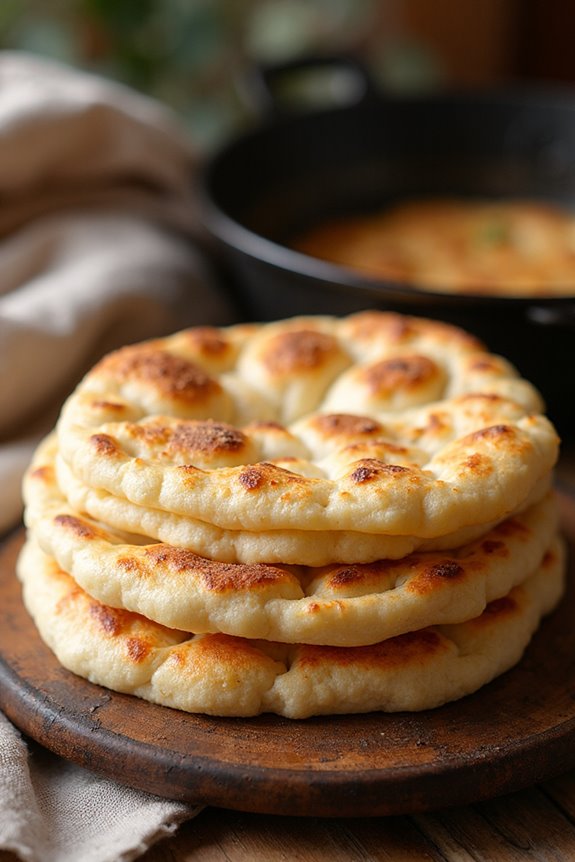
Making these pillowy flatbreads is a little like magic, but don’t worry—it’s the kind of magic anyone can pull off in their kitchen. Start by mixing 200 ml of milk and 200 ml of lukewarm water in a jug, then sprinkle in one 7 g packet of dried yeast. Give it a good whisk and let it sit in a warm spot for a few minutes. You’ll want to see it bubble up a bit—that’s the yeast waking up and getting ready to work its magic.
Meanwhile, grab a bowl and mix 500 g of strong bread flour with 25 g of salt. Then, rub in 25 g of softened butter that’s been cut into cubes. This bit’s like giving your dough a rich, buttery hug.
Next, make a well in the center of your flour mixture and slowly pour in the yeast mixture bit by bit. Stir it all together until you get a dough that’s just right—not too sticky, not too dry. If it’s sticky, toss in a little more flour; if it’s dry, splash in some warm water.
Then, turn it out onto a lightly floured surface and knead it for about five minutes until it feels smooth, shiny, and elastic—think of it like giving the dough a little workout session. After that, rinse out your bowl with hot water, shape the dough into a neat ball, pop it back in, and cover it with oiled cling film.
Now comes the waiting game: leave it in a warm place until it doubles in size, which could take up to two hours. You’ll know it’s ready when the dough feels light and full of air, just like a fluffy pillow.
Once risen, it’s time to “knock back” the dough—basically, punch it down gently to get rid of excess air—and give it another quick knead. Then, tear off pieces and flatten them with your hands (and a rolling pin if you’re feeling fancy), aiming for thin rounds. Thin is key here because as the flatbread cooks in a heavy-based frying pan, it will puff up beautifully.
Cook each side over a turned-down heat until crisp, flipping carefully. The smell, the texture, the way these flatbreads puff and get golden—they’re pretty irresistible. Best part? Eat them straight away, because nothing beats fresh, warm flatbread—trust me, they don’t stick around long!
For the best cooking results and to achieve perfect heat distribution, consider using a cast iron cookware set to cook your flatbreads.
Pillowy Flatbreads Substitutions and Variations
While it might sound intimidating to swap out ingredients in a recipe as classic as pillowy flatbreads, it’s actually a fun way to make them your own—without risking a total disaster in the kitchen.
For instance, swapping half the bread flour for whole wheat adds a nutty flavor and extra fiber, but be ready to add a splash more water; whole wheat loves moisture.
Don’t have milk? No problem—just use all water or try a plant-based milk for a dairy-free twist.
Butter can be swapped for olive oil to give a hint of Mediterranean warmth.
Want garlic or herbs? Mix finely chopped rosemary or garlic powder into the dough before kneading.
These little tweaks keep the bread soft, flavorful, and uniquely yours.
Why stick to the script, right?
What to Serve with Pillowy Flatbreads
How do you turn soft, pillowy flatbreads into a meal that feels like a little celebration? Start simple: think dips. Hummus, tzatziki, or a smoky baba ganoush work wonders.
Then, pile on fresh veggies—cucumber slices, juicy tomatoes, maybe some tangy pickles. For protein, grilled chicken or spiced chickpeas add that satisfying bite.
Don’t forget a drizzle of olive oil or a sprinkle of za’atar; that’s the magic touch. If you’re feeling adventurous, wrap your flatbread around falafel or use it as a base for a quick pizza.
The beauty? You can mix and match endlessly, turning these soft clouds into anything from a snack to a full-on feast. It’s versatile, fun, and honestly, who can resist stuffing their face with these? Not me.
Final Thoughts
After piling your flatbreads high with dips and veggies, you might wonder what makes this simple bread so special.
It’s not just the softness or the way it puffs up like a little cloud on the pan. It’s the magic that happens when flour, yeast, and a bit of patience come together.
Sure, it takes time to let the dough rise—sometimes you feel like it’s never going to double—but that wait is what gives the bread its airy, pillowy texture.
And the best part? You can tweak it to your liking—thinner, thicker, with herbs or plain.
Honestly, flatbread feels like a small, tasty victory, a humble treat that turns everyday meals into something a bit more special, with zero fancy skills required.